MOES Motorized Roller Shades Bring Hands-Free Light Control
The window shade is one of the last things in a modern home that still runs on muscle power. Smart switches handle the lights, smart thermostats handle the temperature, and the shade still waits for a hand to pull it. MOES is changing that with a new range of motorized roller shades that work with the same Matter and Zigbee ecosystem as the rest of the smart home. This post walks through the new line, the blackout levels that suit each room, and what the shades do once they join your automation.

Why Motorized Shades Are Worth It
The New York Times recently called automating shades luxurious and highly practical in one breath, and that pairing is accurate. The luxury part is obvious: shades that glide down at sunset, rise at sunrise, and never need a tug. The practical part is quieter but bigger.
A motorized shade blocks heat before it builds up, which is why home experts include them in summer energy plans. Closing blackout shades on a hot afternoon can cut the solar gain through a window by a large margin, and the room stays cooler without the air conditioner working as hard. In winter, the same automation keeps the warm air in at night. The shade stops paying for itself in convenience and starts paying in energy savings.
The Hands-Free Routine
The daily routine is where the value shows. Instead of walking through the house pulling cords at dusk, you set one schedule and the shades follow it every day. Wake-up light in the bedroom, privacy shades down at night, glare control on the home-office window during work hours. The app and the voice assistants handle the rest.
No Cords and No Child Hazards
Motorized shades also remove the cords that hang from traditional blinds, which is a real safety point for homes with young children or pets. A cordless shade is one less thing to worry about, and it looks cleaner on the window too.
The New MOES Roller Shade Line
The new range covers the three jobs a window shade has to do: block everything, filter the glare, or let the sun through while cutting the heat. Each fabric is a separate product so you can match the room, and every shade runs on Matter and Zigbee.
Bedrooms & Nurseries
The 100% Blackout Essential shades are the full-dark option. They block essentially all outside light, which suits bedrooms, nurseries, and shift workers who sleep during the day. The same blackout fabric comes in Linen and Safari finishes for different interior styles.
Living Rooms & Offices
The 70% Blackout shades cut most of the light while keeping the room usable in daylight. They suit living rooms, home offices, and media rooms where you want the glare gone but the space still bright. Linen and Safari finishes are available here too.
Sunrooms & Conservatories
The Solar Shades in 1%, 3%, and 5% openness are a different approach. Instead of blocking light, they filter it. You keep the view and the daylight while the fabric cuts the heat and the glare. These suit sunrooms, conservatories, and large windows that face the afternoon sun.
Everyday Windows
The 50% Blackout Sunscreen shades sit between the two extremes, with a PVC-free fabric that balances privacy, light, and heat control. They are the everyday option for rooms that get ordinary daylight and need a shade that does a bit of everything.

The Smart Home Side
Smart Home Options for Different Setups
MOES motorized roller shades are available with different smart home protocols depending on the model and motor configuration. Available options may include Zigbee, Z-Wave, and Matter over Thread, allowing you to choose a version that fits your existing smart home ecosystem.
Matter-compatible models can be added to supported platforms such as Amazon Alexa, Google Home, Apple Home, and Samsung SmartThings. Depending on your setup, a compatible Matter controller and Thread border router may be required.
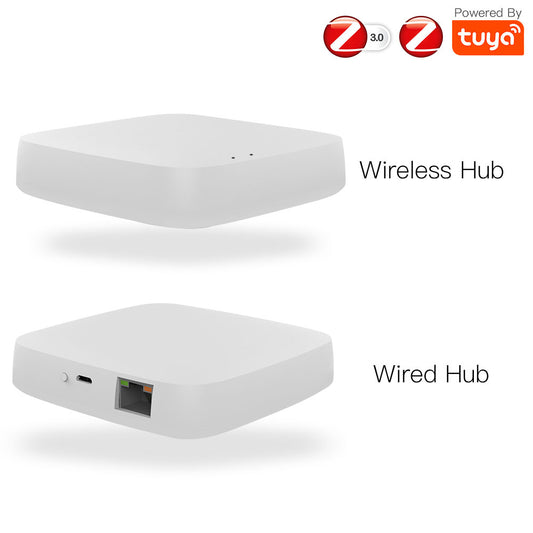
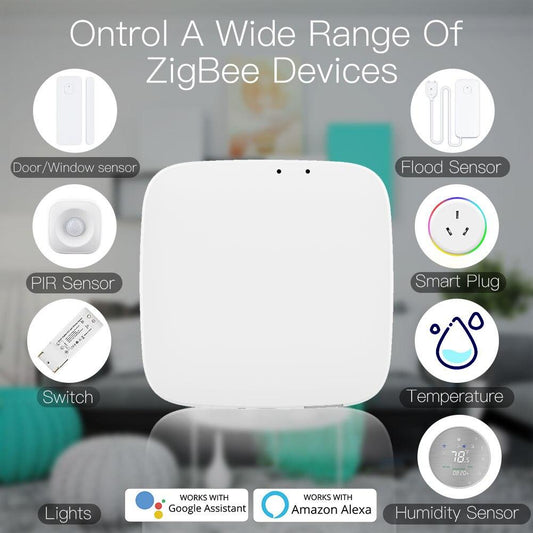
Zigbee models typically connect through a compatible Zigbee hub or gateway, allowing them to participate in supported automations, scenes, and smart home routines.
Schedules and Scenes
Once connected to a compatible smart home platform, the shades can become part of schedules, scenes, and automations.
You can set shades to open or close at specific times, and compatible platforms may also support automations based on sunrise, sunset, temperature, or other connected devices.
Scenes can combine window shades with other smart home products. A "Good Night" scene, for example, could close the shades, adjust compatible lights, and trigger other supported devices.
Voice Control
If your motor and smart home platform support voice control, you can use compatible voice assistants such as Alexa or Google Assistant to control individual shades or groups.
For example, with a compatible Alexa setup, you can use a command such as "Alexa, close the bedroom shades" to control your window coverings without reaching for a remote or opening an app.
Measuring for a Custom Fit
Motorized shades are built to the window, so the measurement counts. Measure the width and height of the window opening at three points each, and use the narrowest width and the shortest height to be safe. The inside mount fits inside the frame, and the outside mount covers the frame, so decide which look you want before ordering. When in doubt, the fabric sample order is the right first step, because it confirms both the material and the fit approach before you commit to the full shade.
Measure width and height at three points each
Use the narrowest width and shortest height
Choose inside or outside mount before ordering
Order fabric samples to confirm material and fit
A Cooler, Quieter Room
The shift from pull-cord to motorized is small in hardware and large in daily life. The room gets cooler in summer, darker when you want it dark, and quieter in every season because nothing needs a tug. MOES builds the shades on the same Matter and Zigbee standard as the rest of the smart home, so they join the existing routine instead of adding a separate app to manage.
The new roller shade range is live in the MOES shade collection. Start with the fabric samples, measure the windows, and pick the blackout level that matches each room. The shades handle the rest from the first sunset.