



Smart Temperature and Humidity Sensors: Know Before It Becomes a Problem
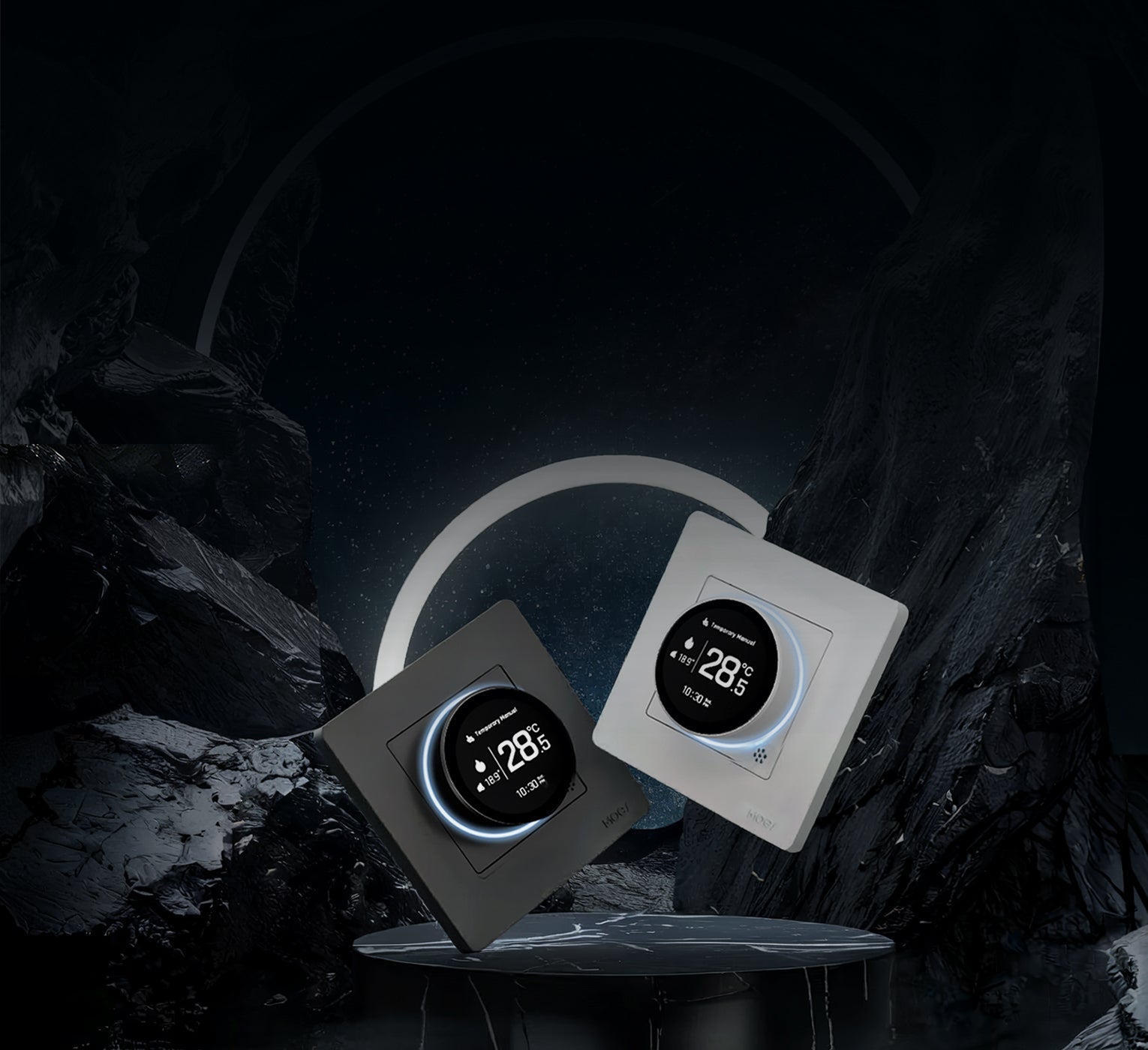
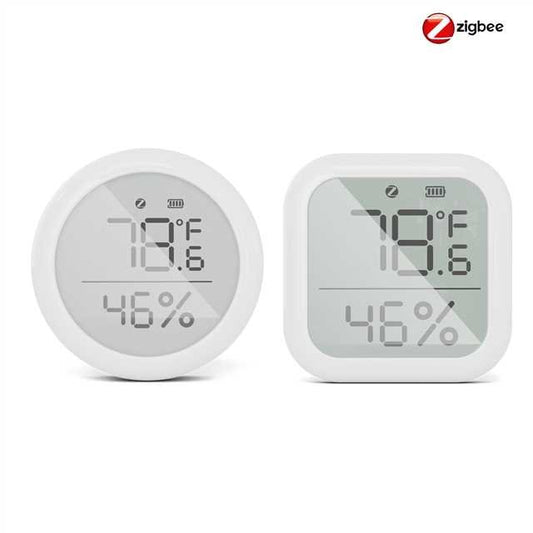
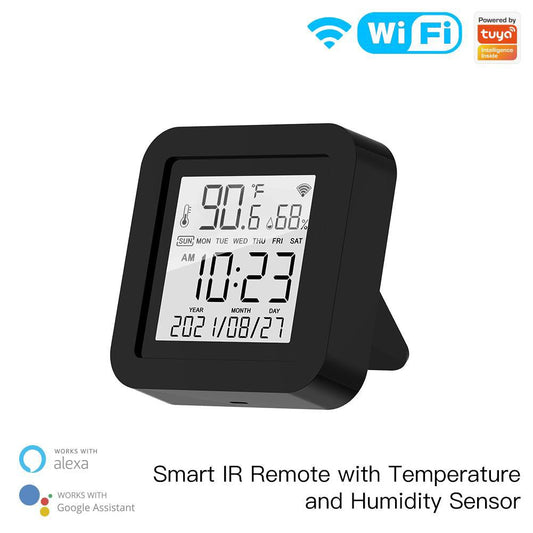
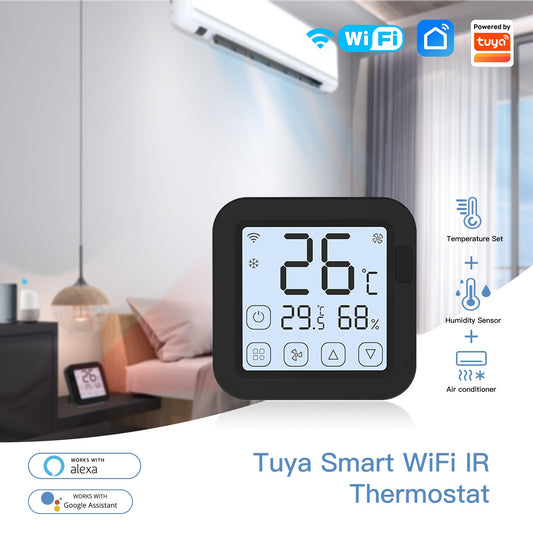
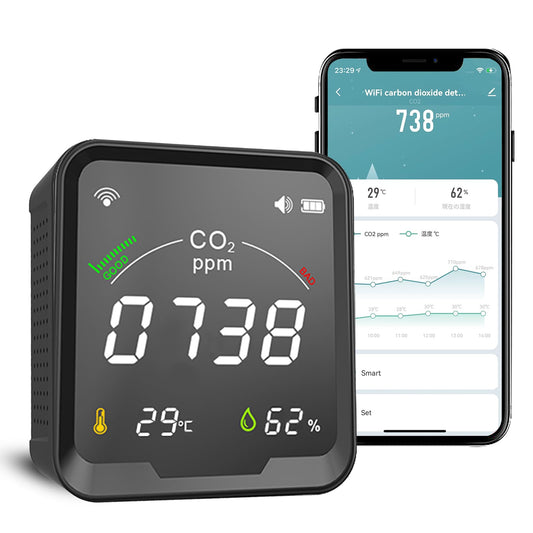
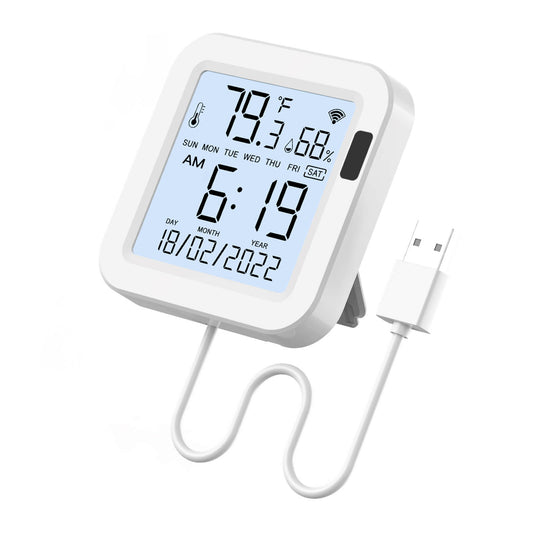
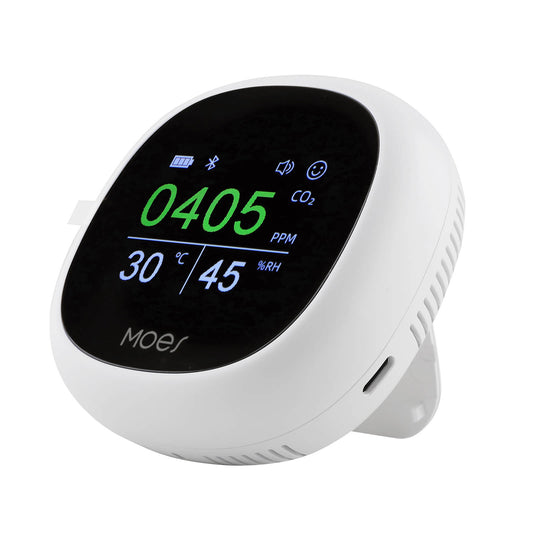
A room that is too humid grows mould. A wine cellar that gets too warm ruins bottles. A baby's room that drops below a comfortable temperature at night is a problem you want to know about immediately. MOES smart temperature and humidity sensors give you continuous visibility into conditions in any space, with real-time readings in the app and automatic alerts when something goes outside the range you set.
Where These Sensors Actually Get Used
Baby and children's rooms. Keeping a consistent temperature and humidity level in a child's room is important for sleep quality and health. A sensor placed in the room lets you monitor conditions from your phone without disturbing the child, and sends an alert if the temperature drops or rises beyond your set range overnight.
Preventing mould in bathrooms and basements. High humidity over time leads to mould growth, which is both a health risk and expensive to remediate. A sensor in a bathroom or basement lets you track humidity trends and take action, such as running a dehumidifier or improving ventilation, before mould becomes visible. Pair with a smart socket to automatically turn on a dehumidifier when humidity exceeds a set threshold.
Wine cellars, cigar rooms, and storage spaces. Temperature and humidity control is critical for preserving wine, cigars, and other sensitive items. A smart sensor gives you remote monitoring and alerts if conditions drift outside the acceptable range, even when you are not physically present to check.
Greenhouses and plant rooms. Plants have specific temperature and humidity requirements. A sensor in a greenhouse or indoor growing space lets you monitor conditions remotely and trigger fans, heaters, or misters automatically when readings go out of range.
Server rooms and equipment storage. Electronic equipment is sensitive to heat and humidity. A sensor in a server room or equipment cabinet gives you an early warning if cooling fails or humidity rises, before hardware is damaged.