Can Smart Home Devices Lower Your Home Insurance Premium
Smart home devices do more than add convenience to your daily routine -- they can reduce your home insurance premiums.
Insurers in New Zealand, Australia, and around the world have started recognizing that homes equipped with leak detectors, smoke alarms, security sensors, and cameras present a lower risk profile. Lower risk means lower premiums, and those savings add up year after year.
This article explains why insurers care about smart devices, which sensor types have the biggest impact on premiums, what discounts NZ and AU insurers currently offer, how to calculate the payback period on your smart home investment, and a recommended MOES Safety Bundle that covers all the bases.
Why Home Insurers Care About Smart Devices
Insurance is a numbers game. Insurers calculate premiums based on the probability and expected cost of claims. Anything that reduces either the likelihood of an incident or the severity of damage when one occurs improves the risk profile and can lower the premium.
Smart sensors reduce risk in measurable ways:
- Faster detection: A water leak sensor alerts you within seconds of detecting moisture. Without one, a slow leak behind a washing machine or under a sink can run for days or weeks before anyone notices. By then, the damage involves flooring, cabinetry, drywall, and possibly the subfloor. Early detection turns a potential $15,000 claim into a $200 plumber visit.
- Fire prevention: A smart smoke and CO detector that sends phone alerts when you are away from home means you can call emergency services before a small fire becomes a structural disaster. Traditional smoke alarms only help if someone is home to hear them.
- Burglary deterrence: Visible security cameras and door sensors make your home a harder target. Burglars tend to bypass homes with obvious security measures. Insurers know this -- homes with monitored security systems file fewer and smaller theft claims.
- Data for claims: When an incident does occur, sensor logs provide a timeline that supports your claim. Time-stamped records showing exactly when water was detected or when a door was opened eliminate disputes about cause and timing.
Insurers are not being generous when they offer discounts for smart devices. The actuarial data shows that these homes genuinely cost less to insure over time. The discount reflects real risk reduction.

Four Sensor Types Insurers Look For
Home insurers have identified four categories of smart sensors that meaningfully reduce claim frequency and severity. Installing devices in these categories gives you the strongest negotiating position when discussing premium discounts with your insurer.
1. Water Leak Sensors
Water damage is the number one source of home insurance claims in both New Zealand and Australia, surpassing fire and theft combined.
Burst flexi-hoses under sinks, leaking washing machine connections, failed hot water cylinders, and dishwasher seal failures account for thousands of claims annually.
The average water damage claim in Australia exceeds $10,000 AUD, and in New Zealand the figure is comparable at around $8,000-$12,000 NZD.
A MOES Water Sensor placed in each high-risk location detects water within seconds of contact. Place sensors:
- Under the kitchen sink
- Behind the washing machine
- Under each bathroom vanity
- Next to the hot water cylinder
- Behind the dishwasher
- In the ceiling space near any roof-mounted HVAC unit with a condensate drain
When any sensor detects water, you receive an instant phone notification. You can also configure the MOES system to trigger an audible alarm through a connected smart speaker or to activate a smart plug that shuts off the washing machine or dishwasher.
2. Smoke and Carbon Monoxide Detectors
Fire claims are the most expensive type of home insurance claim. While the frequency is lower than water claims, the average cost is much higher because fires often result in total or near-total losses.
A smart smoke and CO detector that alerts you wherever you are provides a response time advantage that traditional alarms cannot match.
A MOES Smoke and CO Detector connects to your smart home system and sends phone notifications the moment it detects smoke or elevated carbon monoxide levels.
If you are at work, on holiday, or simply out running errands, you can call emergency services immediately rather than discovering the situation hours later when you return home.
Some insurers require interconnected smoke alarms as a baseline condition for coverage. Smart detectors go beyond interconnection by adding remote alerting, battery status monitoring, and event logging.
3. Door and Window Sensors
Property crime -- burglary and theft -- is one of the most common types of home insurance claims, alongside water and storm damage. Door and window sensors serve two purposes for insurers: they deter break-ins and they provide evidence when incidents occur.
A MOES Door Sensor on each external door and accessible window creates a perimeter monitoring system. Configure the system to send phone alerts when any sensor triggers while you are away (using geofencing) or during sleeping hours.
The visible presence of smart home technology -- even something as simple as a sensor visible on a window frame -- signals to potential intruders that this home is monitored.
Some insurers offer a specific "monitored alarm" discount that door and window sensors help satisfy. Check with your insurer whether app-based self-monitoring qualifies or whether professional monitoring is required.
4. Security Cameras
Outdoor security cameras serve as both a deterrent and an evidence-gathering tool. A MOES Camera covering entry points captures footage that can identify intruders and support insurance claims.
Motion-activated recording with cloud storage means you have timestamped video evidence without managing local storage.
Cameras also help with non-crime claims. If a delivery driver damages your property or a storm causes exterior damage while you are away, camera footage provides documentation that supports your claim.

| Sensor Type | Claim Prevention | Average Claim Cost Without | Savings Potential |
| Water Leak Sensor | Detects leaks before major damage | $10,000‑$15,000 | 5‑10% premium discount |
| Smoke/CO Detector | Early fire alert, remote notification | $50,000‑$200,000+ | 5‑15% premium discount |
| Door/Window Sensor | Deters burglary, provides alerts | $5,000‑$20,000 | 5‑10% premium discount |
| Security Camera | Deters crime, captures evidence | $5,000‑$20,000 | 5‑10% premium discount |
NZ and AU Insurer Discounts for Smart Devices
Insurance markets in New Zealand and Australia have moved at different speeds when it comes to recognizing smart home technology. Here is what the current landscape looks like for homeowners in both countries.
New Zealand
New Zealand insurers have been relatively progressive in offering smart device discounts. Several major providers now include smart sensor questions in their quote process:
- AA Insurance: Offers a "Smart Home Discount" for homes with monitored security systems and connected smoke alarms. The discount typically ranges from 5% to 10% depending on the specific devices installed and whether professional monitoring is included.
- AMI: Provides premium reductions for homes with approved alarm systems and leak detection. Smart water sensors that provide app alerts qualify for their water damage mitigation discount.
- Tower Insurance: Has introduced smart sensor incentives as part of their risk-based pricing model. Homes with leak detection and monitored fire alarms receive lower premiums.
- State Insurance: Offers discounts for homes with burglar alarms and smoke detection systems. Smart, app-connected versions of these devices qualify for the higher discount tier.
When applying for or renewing a policy, explicitly mention your smart sensor setup. Some insurers do not automatically apply the discount unless you bring it to their attention. Provide a list of installed devices and their locations.
Australia
The Australian insurance market has been slower to formalize smart device discounts, but the trend is accelerating:
- NRMA Insurance: Offers home security discounts for monitored alarm systems. Smart door and window sensors that provide app alerts are increasingly recognized alongside traditional monitored alarms.
- RACV: Provides premium reductions for homes with approved security systems and interconnected smoke alarms. Smart sensors that meet Australian Standards are eligible.
- Budget Direct: Includes questions about smart home security devices in their online quote tool. Homes with cameras and connected sensors receive lower risk ratings.
- Suncorp: Has begun factoring smart water leak detection into their underwriting for home insurance in flood and storm-prone regions.
Pro tip for Australian homeowners: The Australian insurance market is competitive. If your current insurer does not offer a smart device discount, get quotes from competitors and mention your sensor setup during the quote process.
Some insurers will match or beat a competitor's price even if they do not advertise a specific smart device discount.
When Smart Sensors Pay for Themselves
The financial case for smart safety sensors is straightforward. Here is a payback calculation based on typical NZ and AU pricing for the MOES Safety Bundle.
MOES Safety Bundle estimated cost:
| Item | Approximate Cost (NZD) | Approximate Cost (AUD) |
| MOES Water Sensor (x3) | $75 | $70 |
| MOES Smoke and CO Detector | $60 | $55 |
| MOES Door Sensor (x2) | $50 | $45 |
| MOES Camera | $80 | $75 |
| MOES Zigbee Gateway | $50 | $45 |
| Total Bundle Cost | $315 NZD | $290 AUD |
Annual premium savings at different discount rates (based on median NZ premium of $1,400 NZD/year and median AU premium of $1,600 AUD/year):
<
| Discount Rate | NZ Annual Saving | NZ Payback Period | AU Annual Saving | AU Payback Period |
| 5% | $70 | 4.5 years | $80 | 3.6 years |
| 10% | $140 | 2.3 years | $160 | 1.8 years |
| 15% | $210 | 1.5 years | $240 | 1.2 years |
Most homeowners will fall in the 5-10% discount range, giving a payback period of roughly 2 to 4.5 years. This calculation considers only premium savings.
It does not include the much larger avoided cost of a single prevented claim. Preventing one water damage claim or one burglary pays for the system many times over.
Additional financial benefits beyond premium savings:
- Avoided insurance excess on prevented claims ($500-$2,000 per claim)
- No disruption from repairs and rebuilds
- No loss of no-claims bonus (which increases future premiums by 10-30% after a claim)
- Potential contents savings from preventing damage to valuables
The MOES Safety Bundle
Here is the recommended MOES Safety Bundle for maximizing insurance discounts and home protection:
- MOES Water Sensor (3-pack recommendation) -- Place under sinks, behind washing machine, and near hot water cylinder. Early leak detection prevents the most common and costly home insurance claim.
- MOES Smoke Detector -- Provides fire protection with remote phone alerts. Many insurers require interconnected smoke alarms as a baseline -- smart detectors go further.
- MOES Door Sensor (2-pack recommendation) -- Monitor front and back entry points. Triggers alerts during away and sleep modes. Satisfies insurer requirements for perimeter security.]
- MOES Camera -- Indoor-rated security camera with motion detection and cloud recording. Covers entry points, deters intruders, and provides evidence for claims.
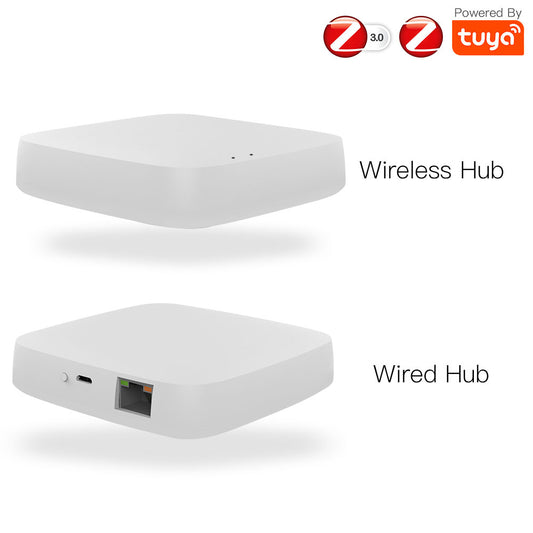
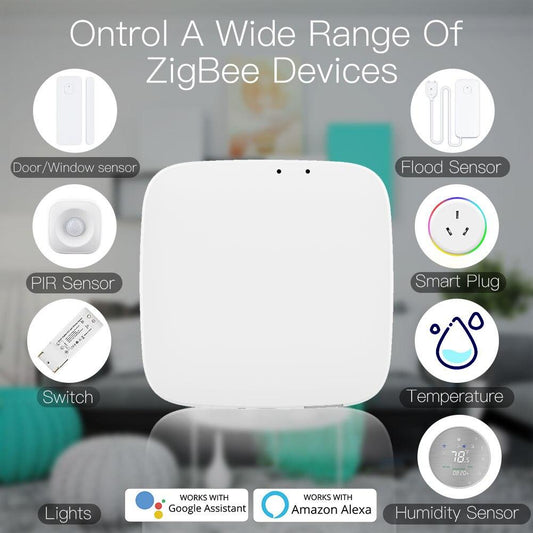
- MOES Zigbee Gateway -- Connects all safety sensors to the MOES app for unified monitoring, alerts, and automation. The hub that makes the bundle a system.
Frequently Asked Questions
Q: Will my insurer definitely give me a discount for installing smart sensors?
A: Not all insurers offer an automatic or advertised discount. Some apply it during manual underwriting when you mention your devices. Others factor sensor data into their risk model without a visible line-item discount. The best approach is to ask your insurer directly: "I have installed connected water leak sensors, a smart smoke detector, door sensors, and a security camera. Does this affect my premium?" Even if no discount is available today, insurers are rapidly updating their pricing models, and a discount may be available at your next renewal.
Q: Do I need professional monitoring to qualify for an insurance discount?
A: It depends on the insurer and the discount category. Security system discounts sometimes require professional monitoring, while water leak and smoke detection discounts typically accept self-monitoring through phone alerts. Check your policy wording. Self-monitored smart sensors still provide a strong negotiating position because they demonstrably reduce claim probability, which is what insurers ultimately care about.
Q: Can I claim the cost of smart sensors on my insurance if they get damaged?
A: Smart home devices are considered part of your home contents. If they are damaged by an insured event (fire, flood, theft), they are covered under your contents policy. Some policies have limits on electronic devices, so check your sum insured for electronics. Document your installed devices with photos and keep purchase receipts for claims purposes.
Q: How do I prove to my insurer that I actually have these sensors installed?
A: Most insurers accept a self-declaration during the quote or renewal process. If they require verification, you can provide a screenshot of your MOES app showing all connected devices, photographs of installed sensors in their locations, and purchase receipts. Keep a simple document listing each device, its location, and its installation date. Update it when you add new sensors. This documentation also helps with any future claims by showing you maintained an active monitoring system.
*Protect your home and lower your premiums with the MOES Safety Bundle at moeshouse.com.*