¿Qué es un gateway Zigbee?
Cualquier persona que se sumerja en la tecnología del hogar inteligente se topará inevitablemente con el estándar inalámbrico Zigbee. Aunque es increíblemente popular en la industria del hogar inteligente, Zigbee no funciona exactamente como Wi-Fi o Bluetooth, que se conectan directamente a tu teléfono u ordenador portátil. Para cerrar esta brecha, un Zigbee Gateway es esencial, asegurando que los dispositivos compatibles dentro de tu sistema de hogar inteligente puedan comunicarse de forma fiable.
¿Qué es Zigbee?
Antes de hablar del gateway, debemos entender primero qué es Zigbee. Zigbee es un protocolo inalámbrico de bajo consumo energético diseñado específicamente para dispositivos de hogar inteligente y de IoT (Internet de las Cosas).
Es ampliamente considerado como la alternativa estándar a Wi-Fi y Bluetooth para el espacio IoT, particularmente optimizado para dispositivos de baja potencia que no requieren un alto ancho de banda, como sensores e interruptores.

Cómo funciona
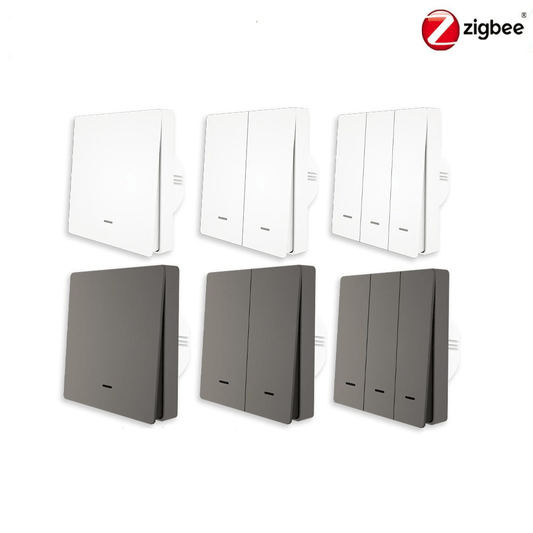
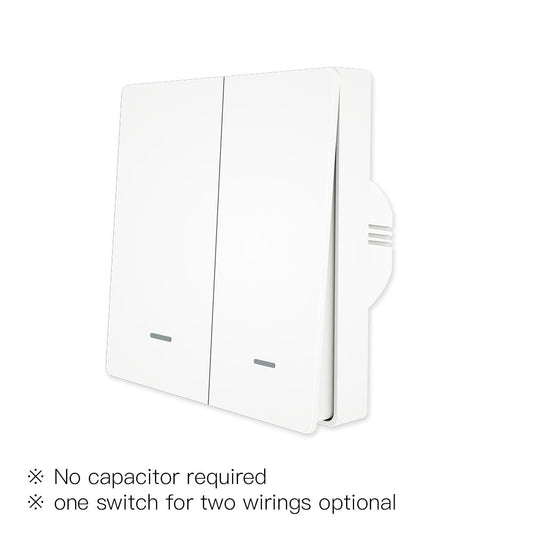
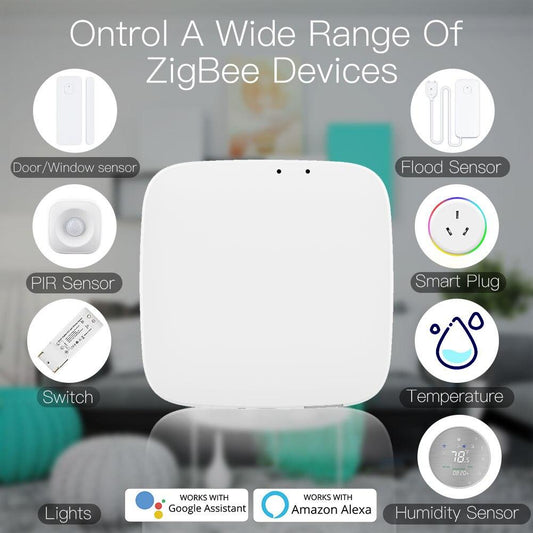
Zigbee te permite integrar una amplia variedad de dispositivos inteligentes, como luces, enchufes, cerraduras de puertas, termostatos de radiador e interruptores, en una única red doméstica. El sistema se basa en un Zigbee Hub o gateway central que se conecta a Internet y controla todos estos dispositivos.
Crucialmente, los dispositivos se comunican a través de una red mallada. Esto significa que cada dispositivo alimentado no solo recibe señales, sino que también las reenvía a otros dispositivos. Esto crea una red altamente estable con una amplia cobertura que se "repara" a sí misma si se bloquea una ruta directa.
Protocolo y alcance
Zigbee opera en el protocolo IEEE 802.15.4 en la frecuencia de 2.4 GHz. Desarrollado y lanzado en 2003, este estándar fue diseñado para dispositivos de bajo coste que funcionan con batería. Aunque su alcance de transmisión en interiores (10-100 metros) es más corto que el de algunos estándares Wi-Fi, su consumo de energía es significativamente menor. Esto permite que los sensores alimentados por batería funcionen durante meses o incluso años sin necesidad de cambiar la batería.
Para una comparación más profunda de los protocolos de conectividad, lee nuestra entrada de blog: Comparación de los tres protocolos de conectividad IoT más populares
¿Por qué elegir Zigbee?
Zigbee es la clave de la compatibilidad entre marcas en el hogar inteligente. Permite operar dispositivos de numerosas marcas dentro de una única red compartida, ofreciendo la máxima flexibilidad y preparando tu configuración para el futuro. Gracias a su alta interoperabilidad, los dispositivos de diferentes fabricantes pueden comunicarse sin problemas, siempre que sean compatibles con el estándar actual Zigbee 3.0.
¿Qué es un Zigbee Gateway?
Un Zigbee Gateway, a menudo llamado hub o bridge, es el dispositivo que conecta tu red Zigbee local a la red de Protocolo de Internet (IP) y, por extensión, a tu smartphone. Actúa como un traductor entre tu interfaz de control y tu hardware inteligente. Una vez instalado, gestiona el intercambio de datos entre dispositivos, almacena configuraciones y garantiza un control unificado.
Ventajas de una red mallada
Transmisión de largo alcance: Mediante el salto de señal, las redes Zigbee pueden ampliar la cobertura a cientos de metros.
Fiabilidad: Si un dispositivo falla, la red mallada redirige automáticamente la señal a través de otros dispositivos.
Escalabilidad: Una única topología de red Zigbee puede soportar teóricamente hasta 65.000 dispositivos.
Estándares técnicos
- Un gateway Zigbee debe ser compatible con la pila completa de protocolos Zigbee para garantizar la compatibilidad de los dispositivos.
- Protocolos de comunicación: Más allá de Zigbee, el gateway debe ser compatible con protocolos de red estándar como Wi-Fi (802.11) o Ethernet para conectarse a tu router doméstico.
Escenarios de aplicación
- Hogar inteligente: Conecta luces, sensores y electrodomésticos para el control remoto y la automatización del hogar.
- Automatización industrial: Conecta sensores y actuadores para la adquisición de datos, la supervisión de equipos y la integración de procesos.
- Uso comercial: Utilizado en oficinas o edificios comerciales para construir redes inteligentes a gran escala para una mejor eficiencia energética y de gestión.
Selección y despliegue
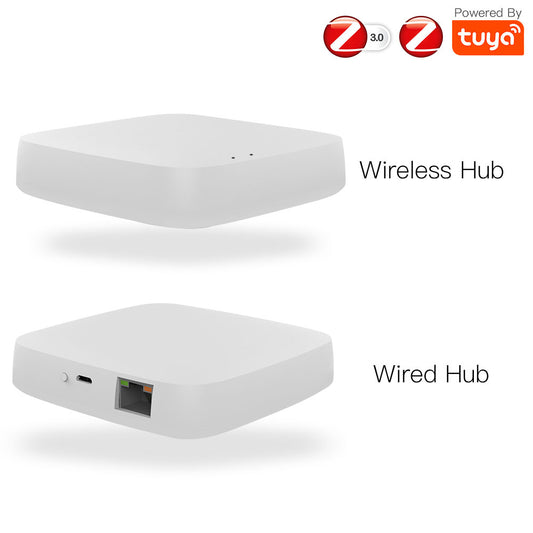
- Hardware y software: Al elegir un gateway, considera la versión de Zigbee que soporta, su método de conexión (cableado vs. inalámbrico) y sus características de gestión.
- Planificación de red: Considera el diseño de la topología de tu hogar, la cobertura de la señal y los requisitos de seguridad para garantizar una comunicación estable de los dispositivos.
Los gateways Zigbee de MOES más recomendados
Si estás listo para construir una red doméstica inteligente estable, aquí tienes las dos mejores opciones de MOES, que se adaptan a diferentes necesidades de configuración:
1. Gateway inteligente multimodo inalámbrico MOES (Tipo-C)
Ideal para: Colocación flexible y facilidad de uso.
Características: Este concentrador compacto se conecta de forma inalámbrica a tu router a través de Wi-Fi, eliminando la necesidad de un cable Ethernet. Es un gateway "multimodo", lo que significa que es compatible con dispositivos Zigbee 3.0 y Bluetooth simultáneamente. Alimentado por una moderna interfaz USB Tipo-C, es perfecto para usuarios que desean una configuración limpia y sin cables que se pueda colocar en cualquier lugar de la habitación.
2. Gateway inteligente con cable MOES (MHUB-MS)
Ideal para: Máxima estabilidad y grandes redes.
Características: Este gateway premium se conecta directamente a tu router mediante un cable Ethernet. Una conexión por cable ofrece una estabilidad superior en comparación con Wi-Fi, lo que garantiza que tus luces y sensores inteligentes respondan al instante en todo momento. Admite un mayor número de subdispositivos (hasta 128) y es ideal para hogares más grandes o usuarios que exigen la conexión más fiable posible para sistemas de seguridad y automatización crítica.
Conclusión
Un gateway Zigbee es el héroe anónimo de un hogar verdaderamente inteligente. Aunque las bombillas y los sensores inteligentes se llevan toda la atención, es el gateway el que trabaja entre bastidores para garantizar que escuchen tus órdenes de forma instantánea y fiable.
Ya sea que elijas la flexibilidad de un hub inalámbrico o el robusto rendimiento de una conexión por cable, agregar un gateway Zigbee de MOES es el primer paso hacia un espacio vital totalmente automatizado, interconectado y preparado para el futuro.