Voice Assistants in 2026 and How They Work With Matter
Amazon Alexa, Google Home, and Apple Home all support Matter controller functionality. However, controlling the same Matter device across multiple ecosystems requires compatible device support and, in most cases, adding the device to each ecosystem using Matter's multi-admin functionality. What differs in 2026 is how much of the system each assistant runs locally, and that difference decides what keeps working when the internet is down.
This guide takes the three ecosystems one at a time and describes what each does with a MOES Matter device.

What Changed in 2026
Earlier voice assistants relied heavily on predefined intents, commands, and routines, while newer AI-powered assistants use language models to understand more natural requests. However, the capabilities available vary by platform, device, region, and software version.
For a smart home, that changes what is possible without changing what is installed. Asking a house to turn the lights off and lock the doors used to require a routine built in advance, but the request can now be phrased as a sentence.
What Stayed the Same
The underlying control path did not change. A command still goes to a controller, which still sends a Matter message to the device, and the device still acts. The language model sits above that path rather than replacing it.
This matters because a more capable assistant does not make a poorly configured system work better. If the device is not paired or the controller cannot reach it, better phrasing does not help.
Where the Local Processing Happens
Local processing is the variable that matters most when the internet fails. Local wake-word detection alone does not guarantee that a voice assistant will work during an internet outage. Offline operation depends on whether speech recognition, command processing, automation execution, and device communication can all be handled locally for the requested function.
The wider consequences of that split are covered in the guide on offline smart home and local execution.
Amazon Alexa and Alexa Plus
Alexa has been a Matter controller since the standard launched, and the current generation adds a language model layer on top. Any Matter device on the network appears in the Alexa app and can be added to routines.
What Alexa does well is breadth. It supports more device types than the other two, and its routines handle conditions and delays without any extra hardware. A Matter switch from MOES appears as a normal switch and can trigger anything else in the system.
What to check before relying on it is which of your devices are handled locally. Devices on the local network keep responding during an outage, but cloud-only devices do not.

Google Home and Gemini for Home
Google Home has moved its assistant to a Gemini-based model, and the interesting change is not the conversation. It is that Google has been pushing automation execution onto the local hub rather than the cloud.
A Matter device added to Google Home is controlled locally by a compatible hub, which means routines continue during an internet outage for the devices that hub can reach. That is a meaningful difference from the previous generation, and it applies to MOES Matter hardware directly.
The Matter setup itself is covered in the guide on connecting Matter bulbs to Alexa, Google Home, and Apple.
Apple Home and Apple Intelligence
Apple Home supports local control of compatible accessories, and a home hub enables features such as remote access and automation management. However, offline behavior depends on the accessory, network connectivity, automation requirements, and whether the requested operation relies on cloud services.
The cost is that Apple supports fewer device categories than Alexa, and its automations are shallower. A MOES Matter switch, bulb, plug, or thermostat appears normally, and anything the Apple ecosystem does not have a category for will not appear at all.
For households already inside the Apple ecosystem, local control is the reason to use it. For households with a wide mix of device types, it is usually the second system rather than the first.
Which Assistant to Choose
| Question | Alexa | Google Home | Apple Home |
|---|---|---|---|
| Runs as a Matter controller | Yes | Yes | Yes |
| Local automation execution | Partly | Increasingly | Yes |
| Breadth of device types | Widest | Wide | Narrowest |
| Best when the internet is down | Devices on the local network | Compatible hub | Home hub |
| Best for a mixed-brand setup | Yes | Yes | Less so |
| Best for privacy-conscious homes | No | Partly | Yes |
The table points to a straightforward conclusion. A household with many device types and one assistant should choose Alexa, and a household that values local control above all should choose Apple.
- A Matter device can usually be added to more than one assistant at the same time.
- Adding it to a second assistant does not remove it from the first.
- Each assistant keeps its own routines, so they can be used side by side.
- A voice assistant is a controller, not a bridge, so bridging rules still apply.
Pairing a MOES Matter Device With an Assistant
Matter standardizes key aspects of device commissioning, so the basic setup process is similar across supported ecosystems. However, the exact steps vary by platform, device type, network technology, and whether the device is being added to its first or an additional ecosystem.
The device is put into pairing mode, the assistant's Add Device screen is opened, and the Matter pairing code from the device or its packaging is scanned. The device then appears in the app and can be named and assigned to a room.
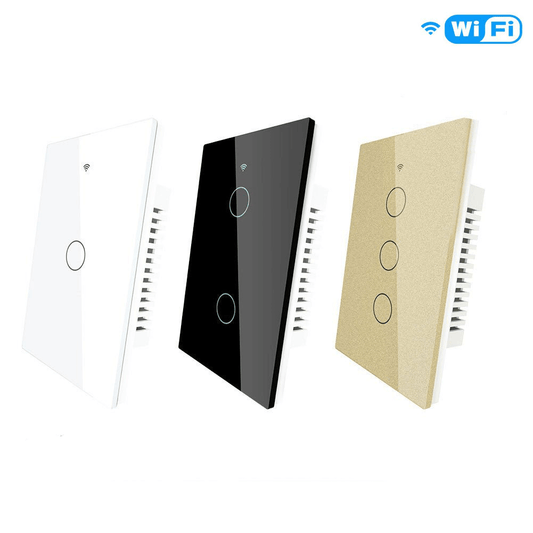
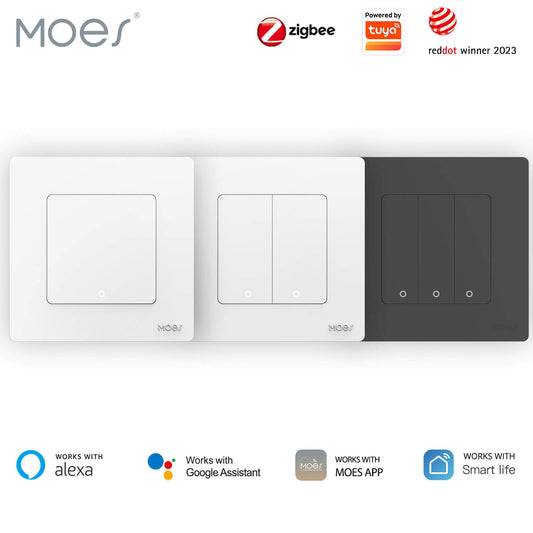
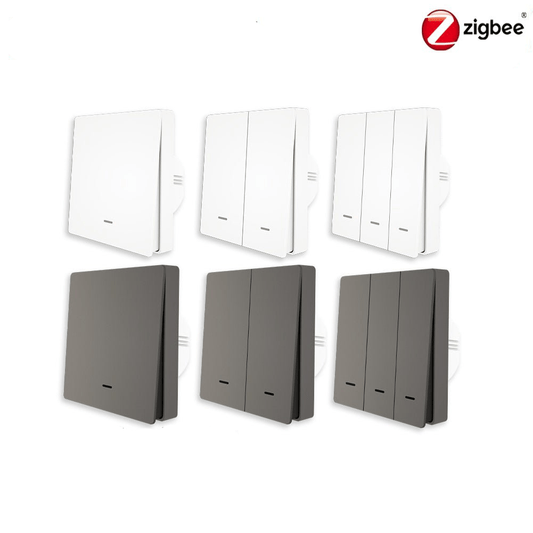
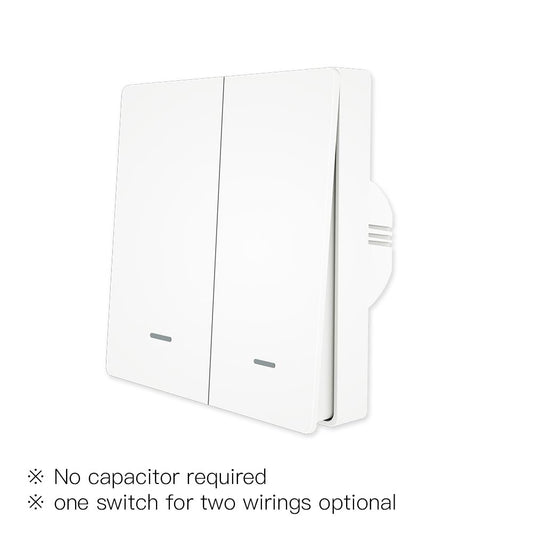
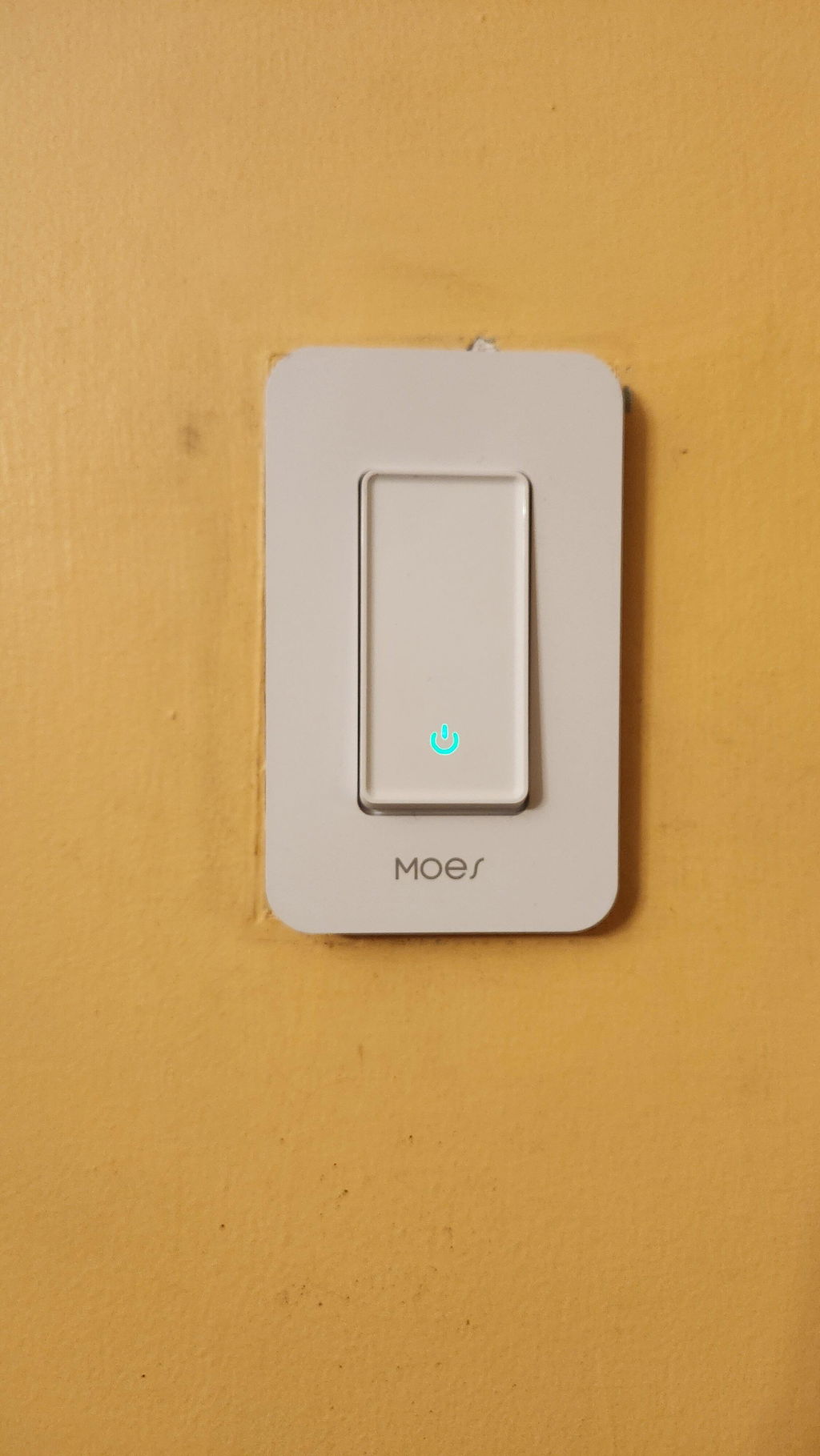
The Matter range from MOES includes Matter light switches, Matter plugs with power monitoring, and Matter thermostats, all of which pair this way.
The full set is listed under Matter devices for anyone checking what supports the protocol.
Frequently Asked Questions
The five questions below are the ones that come up most often when an assistant and a Matter device are put together. Each answer stands on its own.
Do MOES Matter devices work with Alexa, Google Home, and Apple Home at the same time?
Yes. A Matter device can be added to multiple controllers, so the same light can be commanded by Alexa in one room and by Apple Home in another. Each controller keeps its own routines, and they run independently of each other.
Which voice assistant keeps working when the internet goes down?
Apple Home continues to control devices through its home hub, and Google Home continues for devices its compatible hub can reach locally. Alexa continues for devices already on the local network, and cloud-only devices stop responding in all three systems.
Is a voice assistant a Matter controller or a Matter bridge?
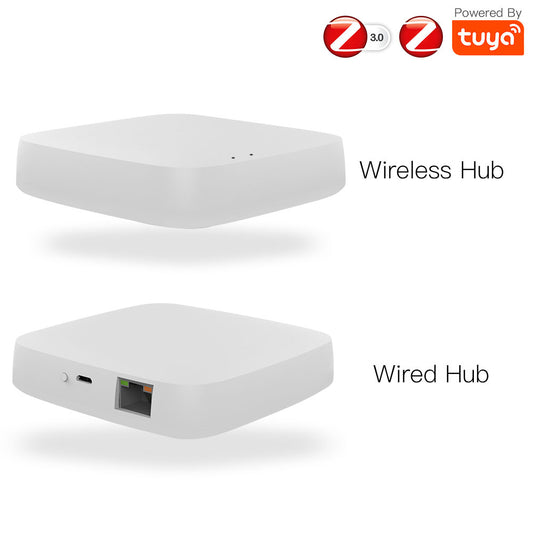
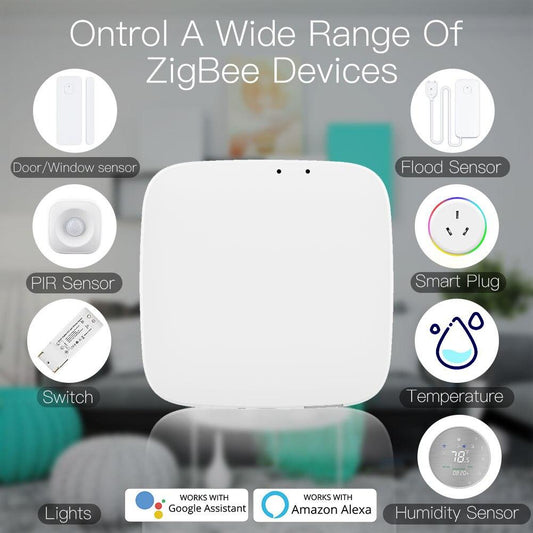
A voice assistant is a controller. It runs the system and executes automations, but it does not translate older devices. A bridge is a separate role, usually filled by a multimode gateway, that exposes non-Matter devices to a controller.
Do I need a MOES gateway if my devices support Matter?
A separate MOES gateway is generally not required for a Matter device that can connect directly to a compatible Matter controller over Wi-Fi or Thread. However, a compatible hub or Thread border router may still be required, depending on the device's connectivity and the ecosystem being used. For Zigbee devices that do not support Matter natively, a compatible Matter bridge is needed if they are to be exposed to a Matter ecosystem through bridging.
Can a smarter assistant fix a device that will not respond?
No. The assistant sends a command along the same path it always did, so a device that is not paired or cannot be reached will not respond to better phrasing. Troubleshooting should begin by checking the device's power and status, network connectivity, pairing configuration, controller compatibility, and any relevant platform or cloud-service dependencies.
Where This Is Heading
The three assistants are converging on the same control path, so the choice between them increasingly comes down to which ecosystem the household already uses. Matter has made the device side of that choice almost irrelevant, and the remaining differences are about local execution and device breadth. Buy Matter hardware, add it to whichever assistant is already in the house, and check which of your devices keep working during an outage. The assistant will keep getting smarter without any of that changing.
Contact MOES with questions about choosing devices for your preferred ecosystem.