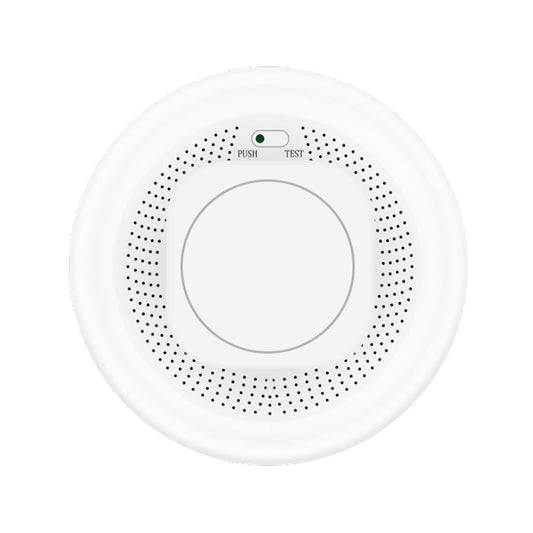
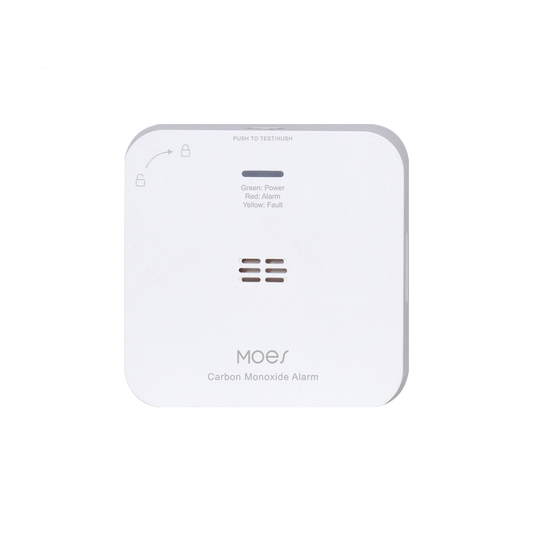
Sensor de gas y humo

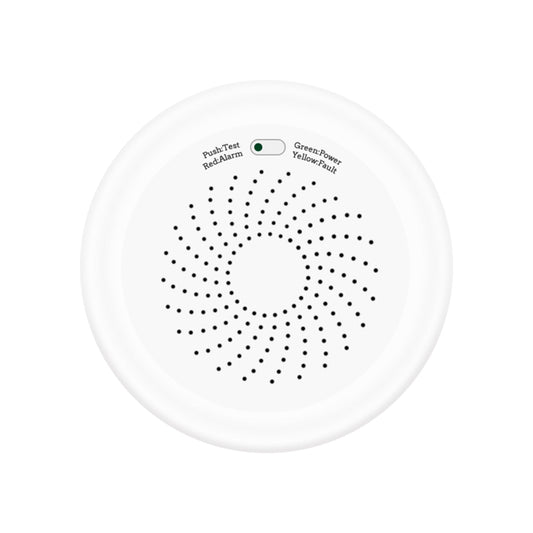
Browse our range of MOES smart gas and smoke sensors. Get instant app alerts the moment a gas leak or smoke is detected, whether you are home or away. WiFi connected with no hub required, compatible with Alexa, Google Home, and the Tuya Smart Life app for real-time safety monitoring.

Smart Gas and Smoke Sensors: Know Before It Gets Dangerous

A gas leak does not always smell obvious at first. Smoke from an electrical fault can start in a wall cavity before you see any flame. By the time a conventional alarm sounds, you may already be in danger. MOES smart gas and smoke sensors are designed to catch these situations early and get a notification to your phone immediately, whether you are asleep upstairs, at work, or on holiday.

Situations These Sensors Are Actually Built For

You cook with gas and worry about leaving the stove on. A gas sensor mounted near your hob gives you peace of mind. If a burner is left on without igniting, or a connection develops a slow leak, the sensor picks it up and alerts you before concentrations reach a dangerous level. You can check the app remotely and decide whether to go back or call someone nearby.

You have elderly relatives or tenants living alone. If someone in your household is less likely to notice a faint gas smell or a small amount of smoke, a smart sensor acts as a second set of senses. Alerts go to your phone too, so you can respond even when you are not there in person.

Your boiler or water heater is in a room you rarely enter. Utility rooms, basements, and garages are common locations for gas appliances and also the least monitored spaces in a home. Placing a gas sensor in these areas gives you continuous coverage without needing to check manually.

You rent out a property. As a landlord, you have a duty of care around gas safety. A smart sensor gives you remote visibility and an instant alert if something goes wrong, even when tenants do not report it immediately. Pair it with a smart camera in common areas for broader coverage.

How to Get the Most Out of Your Sensor

Install gas sensors at the height recommended for the gas type. Natural gas (methane) is lighter than air and rises, so sensors should be mounted high on the wall. LPG is heavier than air and sinks, so sensors should be mounted low. Smoke sensors belong on the ceiling or near the top of a wall, away from cooking areas to avoid false alarms from steam or normal cooking fumes. Once installed, test the sensor monthly by pressing the test button and confirm alerts are reaching your phone.
FAQs About Smart Gas and Smoke Sensors

This is one of the most common frustrations with traditional smoke alarms. To reduce false triggers, avoid mounting the sensor directly above or next to your hob or oven. Position it on the ceiling at least 1 to 2 metres away from cooking appliances. Some MOES models also allow you to adjust sensitivity settings in the Tuya Smart Life app, which can help in kitchens with heavy cooking activity.

Yes, different sensors are calibrated for different gas types. Natural gas (methane) and LPG (propane or butane) have different chemical compositions and densities, so a sensor designed for one may not reliably detect the other. Check the product description carefully before purchasing to confirm which gas type the sensor is designed for. If you use both gas types in your home, you will need separate sensors for each.

Intermittent beeping without a gas alert usually indicates a low battery or a sensor that needs recalibration. Check the battery level in the Tuya Smart Life app first. If the battery is fine, try pressing the reset button on the sensor. If the beeping continues, the sensor may have reached the end of its service life. Most gas sensors have a recommended replacement interval of 5 years due to sensor element degradation over time.

Yes. In the Tuya Smart Life app, you can share your home with other users by inviting them via the app. Once added, they will also receive push notifications when the sensor is triggered. This is particularly useful for families where multiple people need to be aware of a safety alert, or for landlords who want both themselves and a property manager to be notified.

For natural gas (methane), mount the sensor high on the wall, around 30cm from the ceiling, near your gas appliances. For LPG, mount it low, around 30cm from the floor, since LPG is heavier than air and sinks. Keep the sensor away from windows, vents, and extractor fans that could dilute gas concentrations and delay detection. Always follow the installation guide included with your specific model.

The local alarm buzzer on the sensor will still sound if gas or smoke is detected, even without an internet connection. However, the push notification to your phone requires an active internet connection to reach you remotely. If you are at home and the alarm sounds locally, you will hear it regardless of your network status. For remote monitoring, a stable WiFi connection is required.

+ View more