


Indoor Air Quality Monitors: See What You Are Actually Breathing
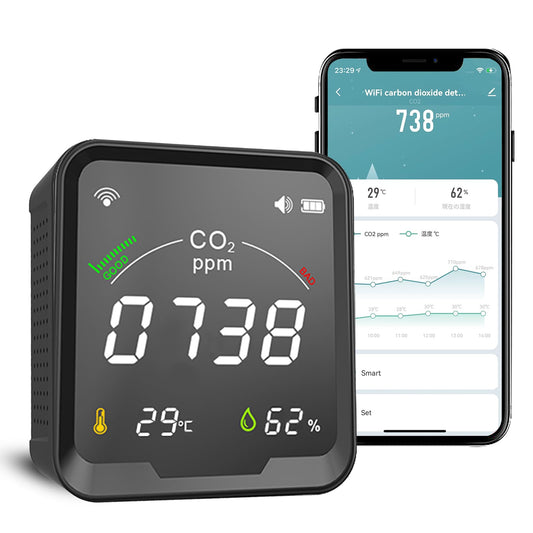
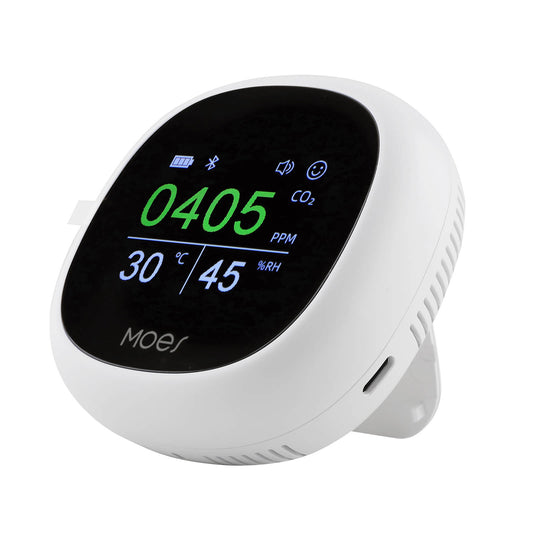
Poor indoor air quality is one of the most overlooked causes of headaches, fatigue, and difficulty concentrating. CO2 builds up in closed rooms, VOCs off-gas from furniture and cleaning products, and fine particles circulate without any visible sign. A MOES smart air quality monitor gives you a continuous, accurate picture of conditions in any room so you can take action before symptoms appear.
Where Air Quality Monitoring Has the Most Impact
Home offices and study rooms. CO2 levels rise quickly in a closed room with one or two people working. Elevated CO2 is directly linked to reduced concentration and decision-making ability. A monitor placed on your desk shows you when to open a window or run a ventilation fan, keeping you productive throughout the day.
Children's bedrooms and nurseries. Children are more sensitive to air pollutants than adults. A monitor in a child's room lets you track overnight air quality and receive an alert if CO2 or particulate levels rise above a safe threshold. Pair with a smart socket to automatically activate an air purifier when readings exceed your set limit.
Kitchens and living areas. Cooking generates particulate matter and VOCs that linger long after the meal is finished. A monitor near the kitchen shows you how quickly pollutants clear after cooking and whether your ventilation is actually working. Use the data to decide when to run the range hood or open windows.
Offices and meeting rooms. In shared spaces, CO2 accumulates faster and the effects on alertness are more pronounced. A visible monitor on the wall gives everyone in the room a real-time indication of air quality and prompts ventilation before the environment becomes uncomfortable. Connect to a temperature and humidity sensor for a complete picture of indoor comfort conditions.