Will Your Smart Home Survive an Internet Outage?
In today’s hyper-connected world, our homes are getting smarter by the minute. From smart light switches and motorized curtains to voice-controlled appliances and high-tech security cameras, we rely heavily on technology to make our daily routines smoother.
But this convenience often raises a very practical question: What happens when the Wi-Fi goes down? Does your cutting-edge home suddenly become "dumb"? Will you be left sitting in the dark, unable to turn on the lights or open the doors?
The short answer is no. But to truly understand how your smart home behaves offline, it helps to look under the hood of how these devices actually communicate.
Here is a simple breakdown of what works, what doesn't, and how to build a smart home that survives an internet outage.

The Basics: You Won't Be Left in the Dark
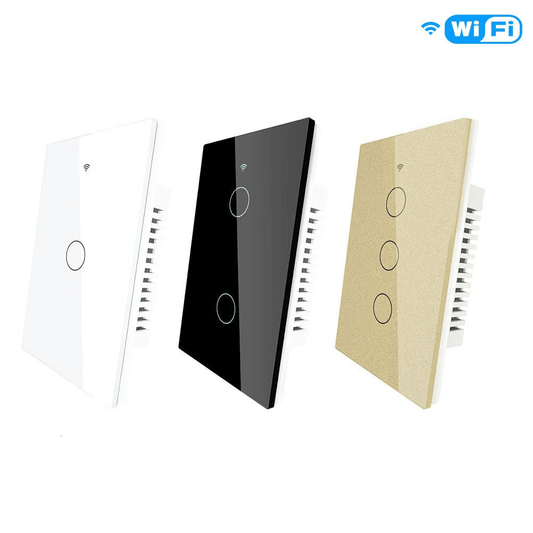
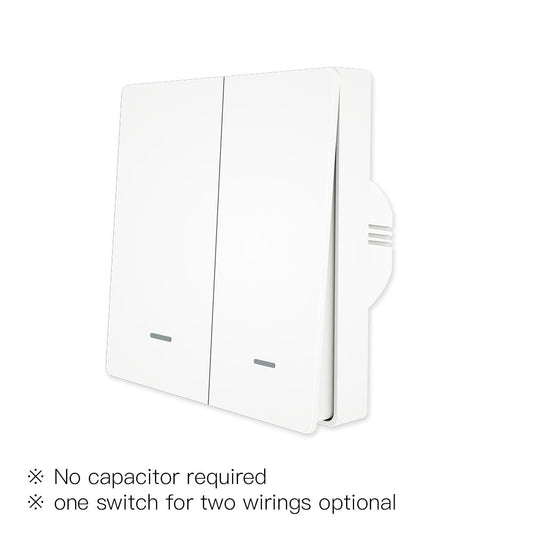
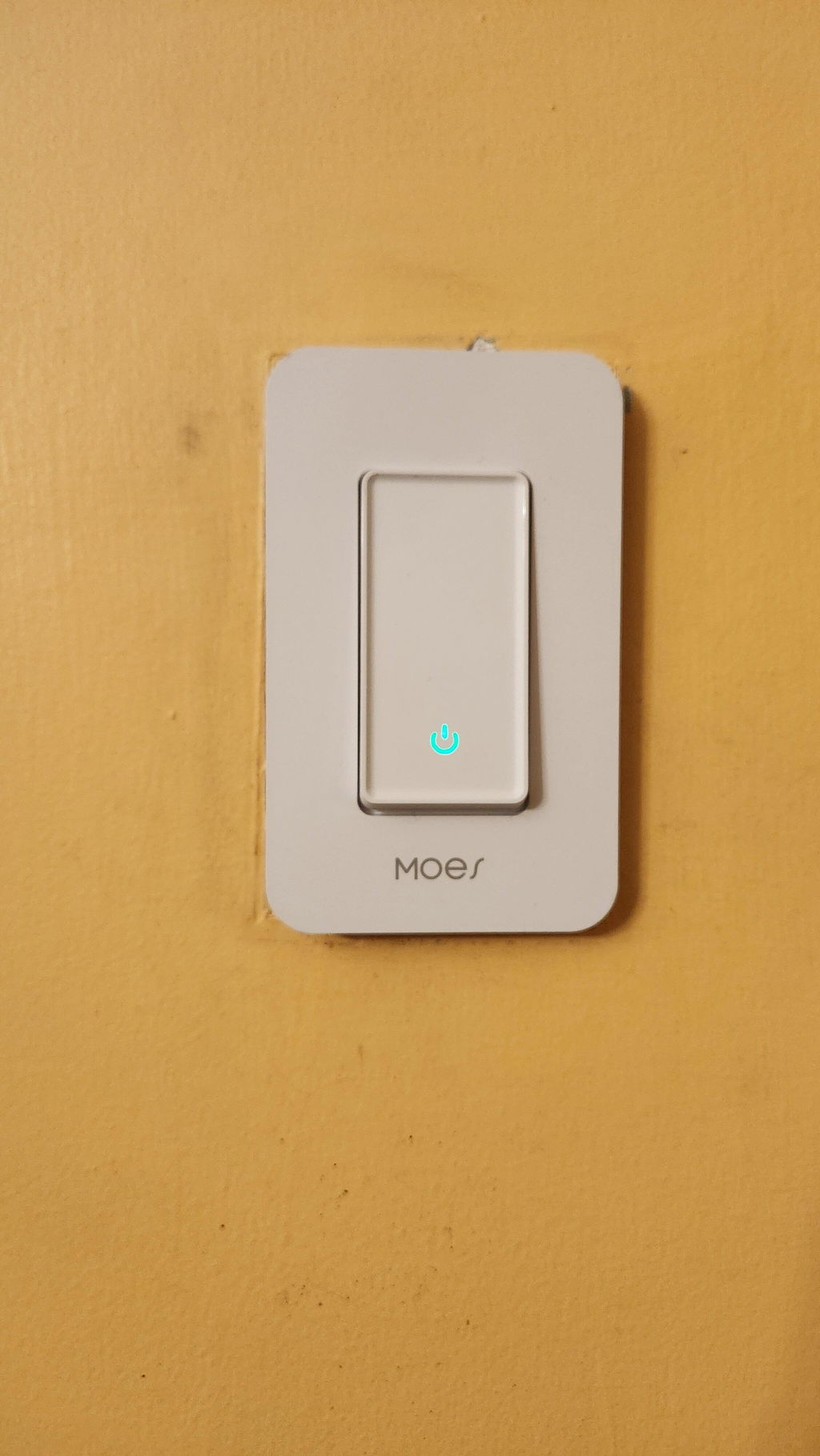
Let’s address the biggest fear first: smart switches. If your internet drops, you do not lose the ability to turn your lights on and off.
Smart switches are still physically wired into your home’s electrical system. When they lose their internet connection, they simply drop their "smart" features and revert to being traditional, manual light switches. You can still walk up to the wall and physically flick the switch to illuminate the room. You just have to do it the old-fashioned way!
The Cloud vs. Local Control
To understand why some features break and others don't, we have to talk about how smart devices think. There are generally two ways smart home systems operate:
1. Cloud-Based Systems
Many popular devices (like Wi-Fi bulbs or voice assistants) send your commands to a cloud server over the internet. The server processes the command and sends a signal back to your device. If the internet is down, this bridge is broken.
2. Local Control
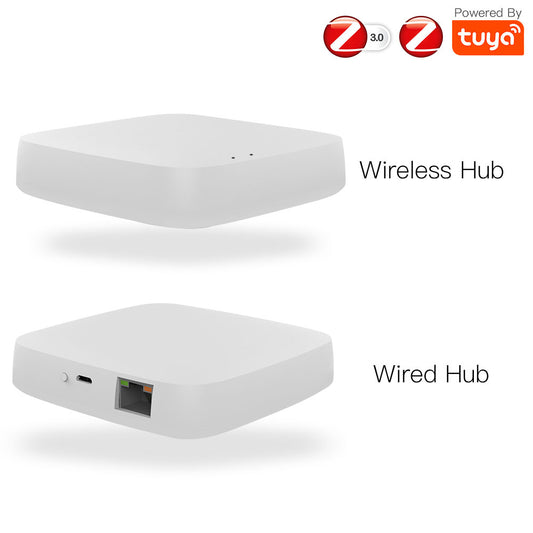
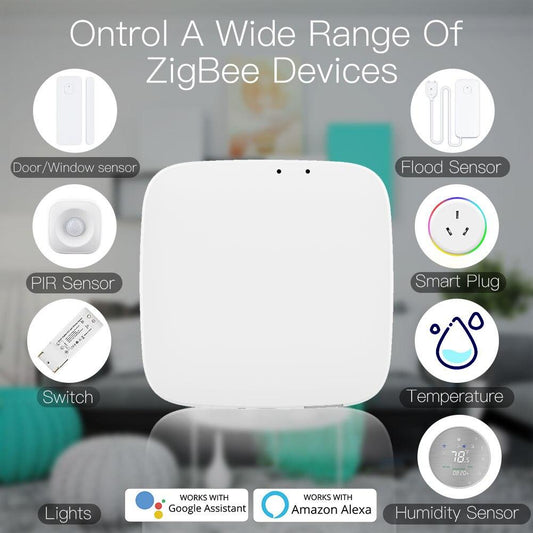
Other devices use localized wireless protocols—like Bluetooth, Zigbee, or Z-Wave. Instead of talking to a server hundreds of miles away, they communicate directly with your phone or a local "smart hub" sitting right in your living room. Because they don't need the outside web, these devices often keep humming along just fine during an outage.

What Still Works When the Internet is Down?
If your internet provider is having a bad day, here is what you can still rely on:
Manual Operations: As mentioned, your physical switches and buttons will always work.
Local App Control: If your internet is out but your Wi-Fi router is still powered on and broadcasting a local network (intranet), you can often still use your smartphone app to control devices, provided you are at home and connected to that same Wi-Fi.
Pre-programmed Schedules: Many smart switches and hubs have built-in memory. If you’ve set your lights to turn on automatically at sunset or your blinds to open at 7:00 AM, these schedules are often saved locally and will execute flawlessly without the web.
Bluetooth and Zigbee/Z-Wave Devices: Devices like Bluetooth door locks or Zigbee-powered sensors and lights (like Philips Hue) communicate locally. If you have a local smart hub, your pre-set automation scenes (like a "Movie Time" lighting setup) will still trigger.
What Will You Lose?
While your home won't shut down entirely, a lack of internet does mean you lose the "superpowers" of your smart ecosystem:
Voice Assistants: Amazon Alexa, Google Assistant, and Siri rely heavily on cloud computing to understand your voice and process commands. Without the internet, they will likely just respond with an error message.
Remote Control: If you are at the office or on vacation, you won't be able to turn on the porch light, adjust the thermostat, or check your security camera feeds. Remote access is strictly internet-dependent.
Real-time Alerts: Your smart motion sensors or water leak detectors might still sound a local alarm, but they won't be able to push notifications to your smartphone.
Weather or Location-Based Automation: If your curtains are programmed to close when it rains, or your lights turn on based on your phone's GPS location (geofencing), these features will pause until the internet is restored.
How MOES’s Smart Home Solutions Work Without Internet
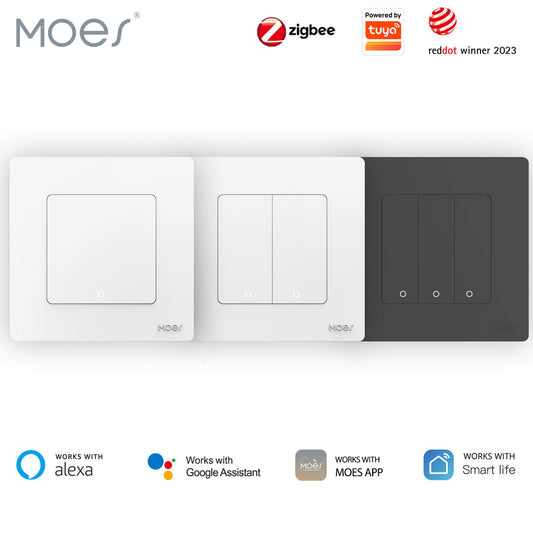
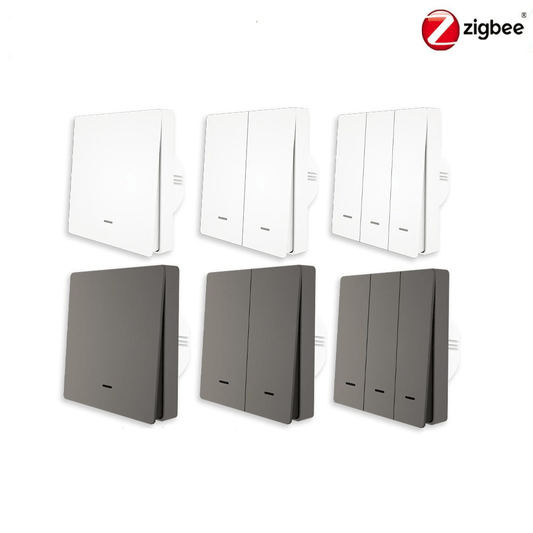
At MOES, we understand the importance of seamless home automation, even when the internet goes down. That is why we integrate Zigbee and Bluetooth technology into many of our smart home products.
Our system is designed to be robust and allows your devices to communicate with each other locally through a MOES smart hub without needing an active internet connection.
This means that while you might temporarily lose access to cloud based features like remote control and voice assistants, your home's core ecosystem remains intact.
If you are at home and your router is still broadcasting a local signal, you can still use the app to control your MOES smart switches, adjust your lighting, and even trigger your pre-programmed automation scenes. By focusing on local mesh networks, MOES ensures that your daily routines stay smooth and uninterrupted.
How to Build a Resilient Smart Home
If you live in an area with spotty internet, or if you simply want maximum reliability, you don't have to give up on smart home technology. The key is to design your system around local control.
When shopping for new devices, look for products that utilize a local hub (using Zigbee or Z-Wave protocols) rather than relying purely on Wi-Fi and cloud servers.
Not only do local hubs keep your automations running during an outage, but they also offer better response times and enhanced data privacy.
The Bottom Line
A well planned smart home is surprisingly resilient. While an internet outage might temporarily disable your voice commands and remote access, the core functionality of your home will keep ticking, ensuring you are never left powerless in the dark.