The Ultimate Guide to No Neutral Smart Switches: How They Work, Pros, and Cons
Upgrading your home lighting is usually the first step into the world of home automation. The idea of controlling your lights from your smartphone or with a simple voice command is undeniably appealing.
However, many homeowners hit a major roadblock right at the beginning of their project. They open up their wall switch box only to discover they are missing a crucial component: the neutral wire.
If you live in an older home, you are probably familiar with this exact scenario. Fortunately, the smart home industry has a solution. No neutral smart switches are designed specifically to work around this outdated wiring setup.
Here is everything you need to know about how these clever devices work, along with their biggest advantages and hidden drawbacks.

Why Does Your Home Lack a Neutral Wire?
To understand the solution, we first need to look at how traditional lighting circuits were wired. For decades, basic light switches acted as simple gates. They either connected the "hot" wire to send power to the light bulb, or they broke the circuit to turn the light off.
Because the switch only needed to interrupt the power line, electricians typically routed the neutral wire directly to the light fixture on the ceiling to save on wiring costs and complexity. This meant only two wires ran down into the switch box on your wall. This design worked perfectly for standard flip switches.
However, modern smart switches are essentially miniature computers. They have Wi-Fi radios, sensors, and LED indicators that require a constant, low level supply of power to stay connected to your network.
A neutral wire provides the stable return path needed to keep these electronics awake even when the light bulb is turned off. Without it, a standard smart switch simply cannot function.
How Does a No Neutral Smart Switch Work?
So, how do no neutral smart switches pull off this technical magic? The answer lies in how they interact with your light bulb.
Instead of relying on a dedicated neutral wire to complete an independent power circuit, a no neutral switch places itself in series with the hot wire. To keep its internal processor and wireless antennas powered up, the switch continuously draws a microscopic amount of electrical current and sends it straight through the light bulb itself.
This tiny trickle of electricity is just enough to keep the smart switch online and listening for your commands, but it is theoretically too small to actually illuminate the light bulb.

The Advantages of Going Neutral
If you are dealing with vintage wiring, these specialized switches offer some major benefits for your smart home setup.
Compatibility with Older Homes: This is the most significant selling point. No neutral switches make smart lighting accessible to millions of homes built before the 1980s that would otherwise be excluded from the smart home revolution.
Simple and Easy Installation: Because you do not need to hunt down a neutral wire, installing these devices is often a straightforward one-for-one swap with your existing switch. You even have one less wire to manage inside a cramped switch box.
Cost Effective Upgrades: The alternative to buying a no neutral switch is hiring a professional electrician to tear open your drywall, run new wires, and patch everything back up. Bypassing the need for a neutral wire saves you a massive amount of money, time, and structural disruption.
The Drawbacks You Need to Know
While no neutral smart switches are incredibly convenient, tricking an electrical circuit comes with a few technical tradeoffs.
The LED Flickering Effect: Because the switch constantly leaks a tiny amount of power through the light bulb, highly sensitive or low wattage LED bulbs might react poorly. This can cause the bulb to flicker, buzz, or emit a faint ghost glow when it is supposed to be completely off.
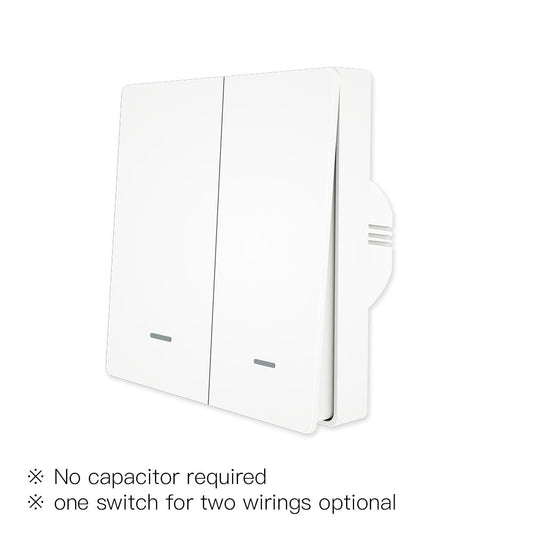
The Bypass Capacitor Requirement: To solve the flickering issue, many non-neutral switches require you to install a small device called a bypass capacitor directly at the light fixture. This absorbs the excess trickle charge, but it adds an extra step to your installation and can sometimes produce a faint humming noise.
Limited Advanced Features: Because these switches operate on restricted power, they often lack high-end features like live energy monitoring or ultra-smooth dimming capabilities. They also tend to have lower relay capacities, meaning they cannot handle heavy electrical loads.
No Mesh Routing: If you use a Zigbee or Z-Wave smart home system, standard smart switches act as routers to strengthen your wireless network. No neutral switches, however, are forced to operate as "end devices" to conserve power. They will not extend your network range and could potentially create communication bottlenecks.
Crucial Buying Considerations
Before purchasing, keep these two things in mind:
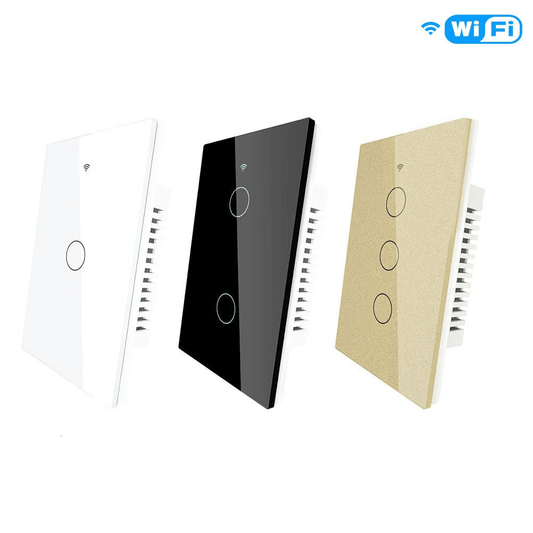
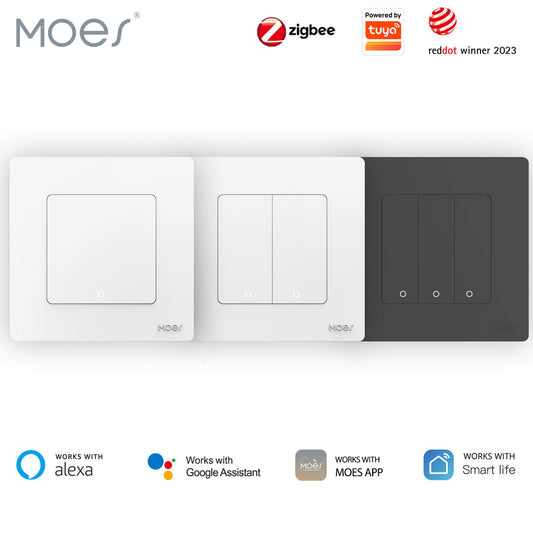
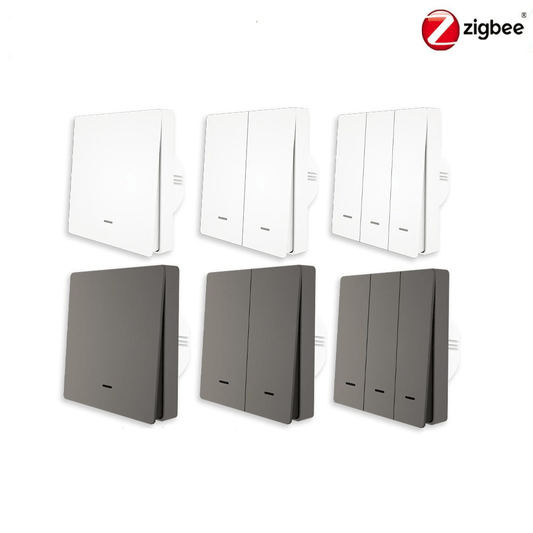
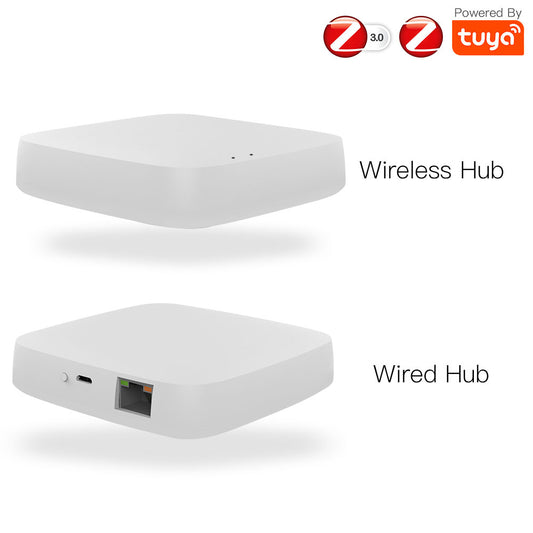
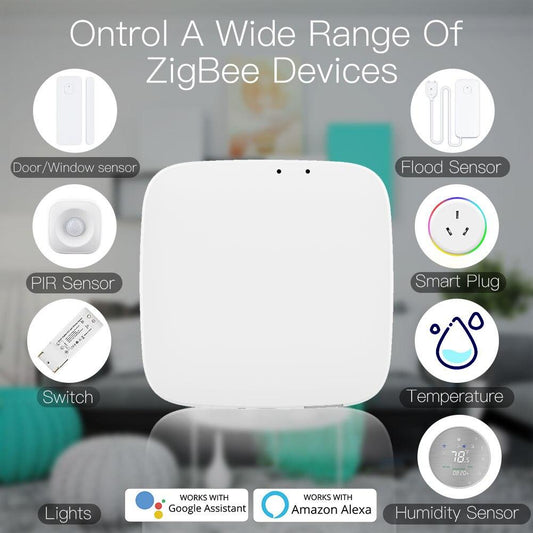
You May Need a Hub: Because Wi-Fi drains too much power for a trickle-charge system, many no-neutral switches utilize low-power protocols like Zigbee. This means you will likely need to purchase a compatible smart hub to connect them to your internet and smartphone.
Check Local Codes: While rare, some local building codes have strict rules regarding how smart devices modify electrical currents. Always double-check your local regulations or consult an electrician if you are unsure.
The Final Verdict
Ultimately, deciding whether to use a no-neutral smart switch comes down to your home's existing infrastructure. If your switch boxes lack neutral wires, these specialized devices are an absolute lifesaver. They offer a highly cost-effective, non-invasive way to bring modern convenience to older properties.
Just be prepared to do a little troubleshooting. You might need to experiment with different brands of LED bulbs, install a bypass capacitor, or invest in a smart hub to get the perfect, flicker-free lighting experience.