How Whole Home Energy Monitoring Cuts Your Power Bills
European residential electricity rates remained highly volatile in early 2026, pushing the average household bill past €120 per month according to Eurostat.
Grid instability in Europe and the Asia Pacific has added more uncertainty. Most households pay without knowing which devices drive the cost. A whole home energy monitoring system changes that.
MOES provides the hardware to build this system yourself, without an electrician and without a renovation. This article covers the components, the automation rules, and the monthly savings.

Why Most Homes Waste Power Without Knowing It
Standby power alone accounts for 5 to 10 percent of residential electricity use. A television, gaming console, microwave clock, and phone charger left plugged in can draw 50 to 100 watts continuously. Over a year, that silent drain costs €50 to €120 at average 2026 rates. An older refrigerator cycling too often can burn an extra 200 kWh annually. Without per-device data, these leaks remain invisible.
The Problem with Whole Home Metering Alone
A utility smart meter tells you total household consumption every 15 to 30 minutes. You see a spike at 6 PM but cannot tell whether the oven or entertainment system caused it. That gap makes it hard to act.
Why 2026 Is the Year to Fix This
Three trends converge. Time of use rates now charge 2x to 4x more during peak evening hours across Germany, Spain, the UK, and several other European countries. Smart home hardware prices dropped about 30 percent since 2023. Utility rebates for energy efficiency improvements now cover smart plugs and smart switches in some regions. The payback period for a monitoring setup is shorter than ever.
Building Your Energy Monitoring Stack
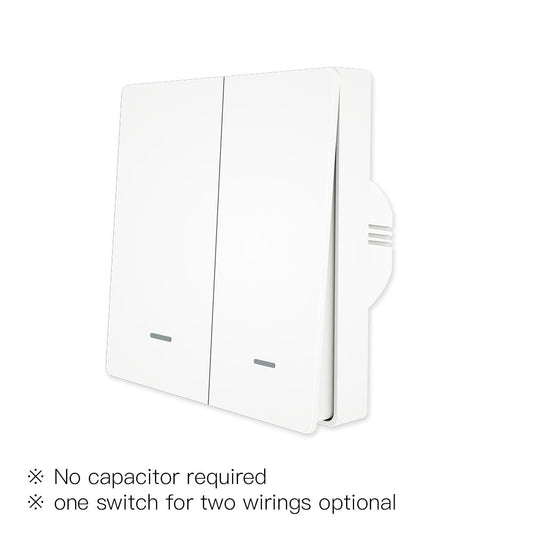
A complete monitoring stack needs two layers. Smart plugs give you per device tracking for plug in appliances. Smart switches with power metering give you circuit level data for hardwired loads like lights and ceiling fans.
Smart Plugs Track Each Device
A smart plug sits between the wall outlet and the appliance. It measures real time wattage, accumulates kWh, and reports to a smartphone app. The [MOES Smart Plug with Energy Monitoring](https://moeshouse.com/products/star-ring-zigbee-smart-socket-eu-wall-embedded-outlet-energy-monitor) captures voltage, current, power, and cumulative energy.
Start with the biggest energy users. Plug one into your refrigerator. Another into your entertainment center. A third into your home office setup. Within one week, you will know which room costs the most per day.
Automation Rules That Cut Bills Automatically
Monitoring finds the waste. Automation eliminates it. The MOES app supports rule based triggers that run without human intervention.

Turn Off Devices on Standby
When the smart plug reports power below 5 watts for more than 2 hours, cut the outlet. This catches TV standby, idle game consoles, and laptop chargers left plugged after full charge. You gain 20 to 40 kWh saved per month depending on device count.
Schedule Heavy Loads for Off Peak Hours
If your utility charges lower rates between 10 PM and 6 AM, shift what you can. Set the dishwasher smart plug to activate only during the off peak window. Do the same for the washing machine. The MOES scheduler handles the timing.
Spike Alerts for Abnormal Consumption
When the refrigerator smart plug exceeds 300 watts for more than 30 minutes, the app pushes a notification. That spike often means a failing compressor or a door left ajar. Early intervention prevents a €300 repair and weeks of inflated bills. Apply the same logic to the pool pump and any motor-driven appliance.
Monthly Savings Breakdown
The table below estimates savings for a typical three-bedroom home running four smart plugs and two smart switches.
| Load Tracked | Monthly kWh Saved | Monthly Savings (at €0.25/kWh) | Payback Period |
|---|---|---|---|
| Entertainment standby (TV, console, soundbar) | 25 kWh | €6.25 | ~4 months |
| Computer and office gear off‑peak scheduling | 15 kWh | €3.75 | ~5 months |
| Refrigerator abnormal cycle catch | 20 kWh | €5.00 | Immediate on detection |
| Lighting schedule optimization | 12 kWh | €3.00 | ~6 months |
| Pool pump runtime trim | 40 kWh | €10.00 | ~3 months |
| Total | 112 kWh | €28.00 | 3‑6 months average |
Savings estimates based on the European average electricity rate of €0.25/kWh as reported by Eurostat for early 2026. Individual results vary by utility rate and device count.
Complete MOES Energy Monitoring Product Recommendations
These products form the monitoring core described above. Each handles a different part of the home energy picture.
Real time wattage and cumulative kWh tracking for any plug in appliance. Glass panel design, WiFi connectivity, works with Alexa and Google Home.
Monitors heating system consumption and integrates with the same Smart Life dashboard. Supports EcoWatt for French grid signals.
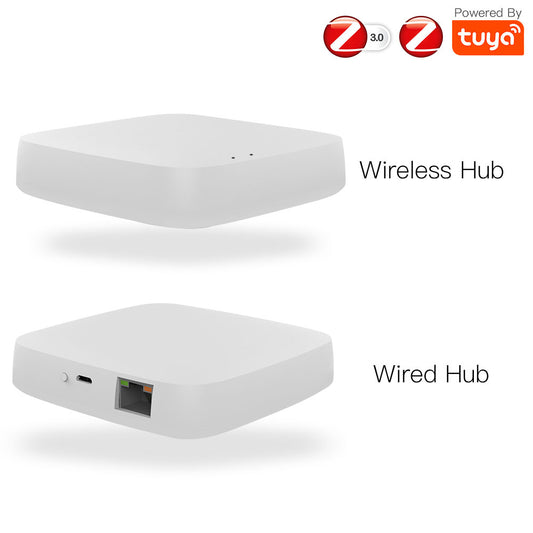
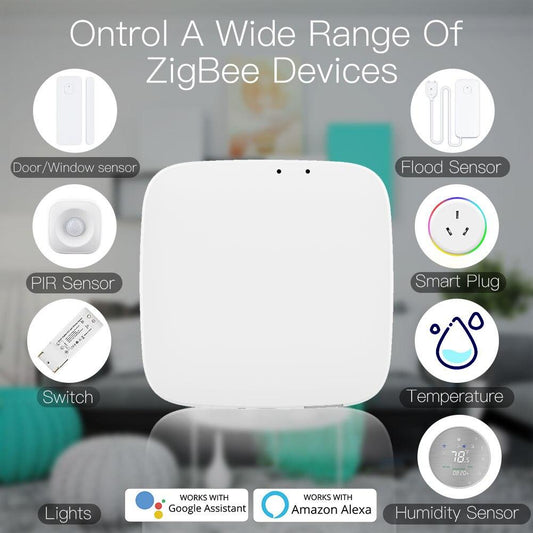
Central hub connecting all MOES Zigbee devices. Required if using Zigbee sensors alongside WiFi plugs and switches.
With built-in energy monitoring, the device tracks current, voltage, and power dynamically while automatically generating hourly, daily, monthly, and yearlyconsumption reports.
Frequently Asked Questions
Q: Do I need an electrician to install the energy monitoring smart plug?
A:It depends on the product. A smart wall socket requires electrical wiring to replace your existing outlet. However, a smart plug is plug-and-play—simply insert it into your original wall outlet, pair it with your network through the app, and it is ready to use without any wiring or tools.
Q: How accurate is the power measurement?
A: MOES smart plugs and switches use a dedicated metering chip with accuracy within 1 to 2 percent of a utility grade meter. Suitable for budgeting and anomaly detection. Not certified for billing purposes.
Q: Can I monitor 240V appliances like a dryer with these products?
A: The standard smart plug handles the 230V standard used across Europe. However, if you are using high-power appliances, please carefully read the maximum current and load power specifications in the product details before use to ensure safety.
Q: Will the energy monitoring still work if the WiFi goes down?
A: The smart plug continues measuring and logging. Data syncs once WiFi restores. Scheduled rules stored on the device still execute without internet if they do not depend on cloud triggers.